


· Views 333

#10FCOINGiveaway# Read and LIKE to grab 10 FCOIN!
How to Use the Relative Strength Index to Identify Elliott Wave Patterns
If you're new to Elliott Wave analysis, one common question might be: How do I determine when a wave has ended amidst constant price fluctuations? In addition to using trendlines, the Relative Strength Index (RSI) is a valuable tool for this purpose.
Understanding RSI
The Relative Strength Index (RSI) is a momentum oscillator used in technical analysis to measure the speed and change of price movements. Developed by J. Welles Wilder Jr. in 1978, RSI helps identify overbought or oversold conditions by fluctuating between zero and 100.
Traditionally, an RSI reading above 70 suggests an overbought market, while a reading below 30 indicates an oversold condition. However, RSI is more than just an indicator of market extremes; it can also signal potential trend reversals or corrective pullbacks.
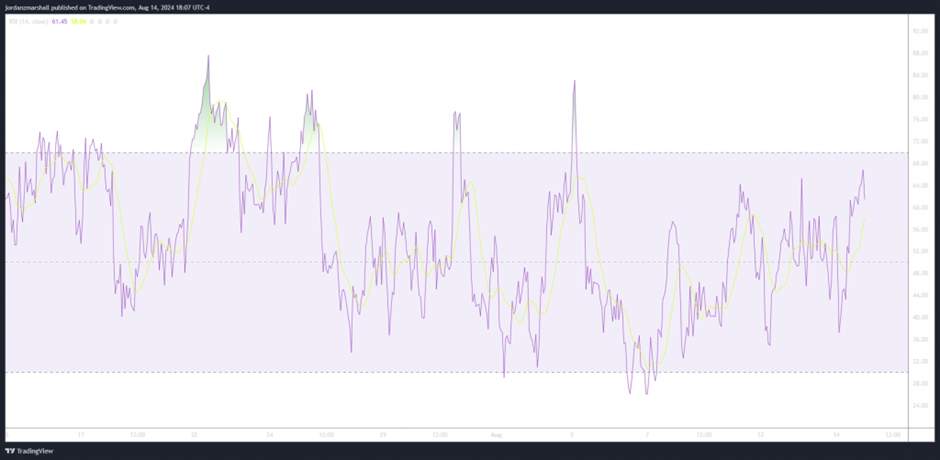
Utilizing RSI for Elliott Wave Analysis
To identify Elliott Waves, observe how RSI trends in relation to price movements. RSI can often precede price in breaking trendlines, providing clues about the end of one wave and the beginning of another. The key is to draw trendlines using multiple supporting lows. Generally, RSI trends upwards with higher highs and higher lows, while downtrends consist of lower lows and lower highs.
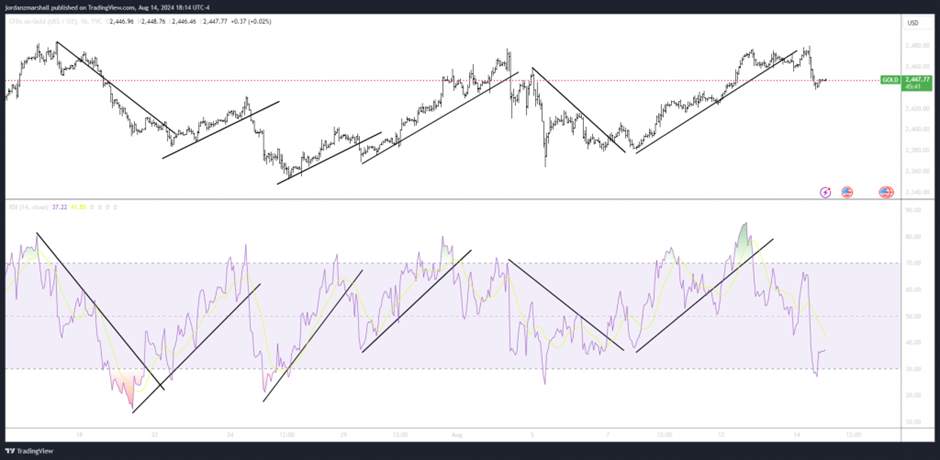
Insert Chart: Waves Moving with RSI
P.S: Comment your feelings could get 20 FCOIN!
免責事項:本記事で述べられている見解は著者の見解のみであり、Followmeの公式見解を反映するものではありません。Followmeは、提供された情報の正確性、完全性、信頼性について一切責任を負いません。また、書面で明示的に記載されている場合を除き、本記事の内容に基づいて行われたいかなる行動についても責任を負いません。
この記事が気に入ったら、著者にチップを送って感謝の気持ちを表しましょう。

古いコメントはありません。ソファをつかむ最初のものになりましょう。