


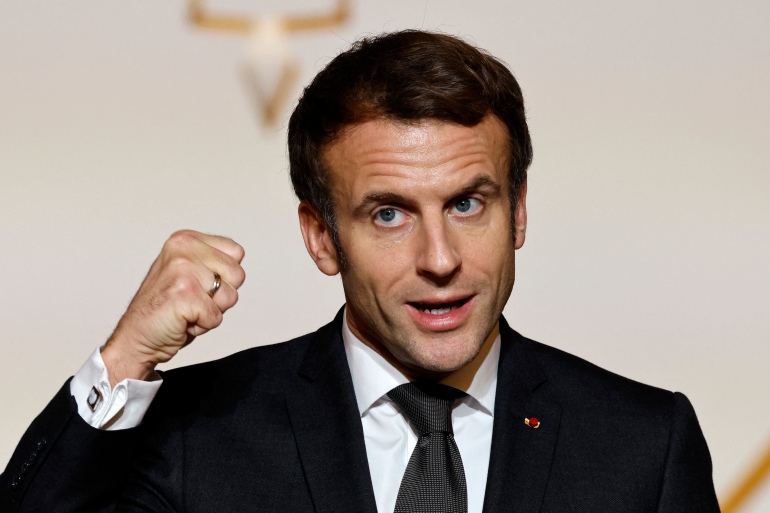
On 10 April 2022, the first round of the French presidential election will be held, with the potential final run-off scheduled for 24 April. The election is expected to be a tight race between incumbent President Emmanuel Macron and either Valérie Pécresse from Les Républicains or Marine Le Pen from Rassemblement National, who are currently leading the polls for the first round.
In contrast to 2017, EU-exit discussions are absent in the election campaign, although the political landscape remains skewed to the right. Our base case (60% probability) is for Macron to secure another term as President, but with the risk of a slimmer parliamentary majority to implement his policies. In case of a Pécresse presidency (35% probability) economic policies would probably not change dramatically in our view, while fiscal consolidation efforts could become more prominent. A Le Pen presidency (5% probability) would likely entail a more domestically focused France, with heightened uncertainty on economic and fiscal policies.
The election outcome will also have important implications for Europe. With the departure of Angela Merkel form the political scene and Italy’s government on shaky foundations, a new European leadership vacuum could open up if President Macron fails in his re-election bid. While France has weathered the economic fallout from the COVID-19 pandemic better than other euro area peers, fiscal fragilities could also come back to haunt.
As the surprise potential at French elections remains high, we see scope for higher election risk premium to be priced in fixed income markets. The election impact on EUR/USD should be muted in our view, but EU fiscal rules reform will be key to follow.
免責事項:本記事で述べられている見解は著者の見解のみであり、Followmeの公式見解を反映するものではありません。Followmeは、提供された情報の正確性、完全性、信頼性について一切責任を負いません。また、書面で明示的に記載されている場合を除き、本記事の内容に基づいて行われたいかなる行動についても責任を負いません。

