

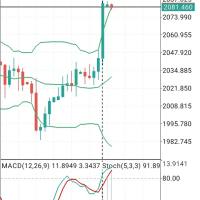
EUR/USD seesaws around 1.1030 after a whippy day that initially convinced bears before paring some of the losses during the American session. While the US data could be held responsible for Thursday’s volatility, the Euro pair’s latest inaction is logical ahead of the Eurozone Gross Domestic Product (GDP) for the first quarter (Q1), as well as the US Core Personal Consumption Expenditure (PCE) Price Index details for March.
On Thursday, the first readings of the US Gross Domestic Product (GDP) for the first quarter (Q1) of 2023, also known as Advance readings, marked mixed outcomes. Tht said, the headline US GDP Annualized eased to 1.1% from 2.0% expected and 2.6% prior but the GDP Price Index inched higher to 4.0% on an Annualized basis from 3.9% prior and 3.8% market consensus.
Further, the Personal Consumption Expenditure (PCE) Prices for Q1 rallied to 4.2% from 3.7% previous readouts whereas the Core PCE figures also crossed 4.8% market forecasts and 4.4% prior with 4.9% mark for the said period.
With this, a stronger-than-expected increase in the inflation component of the GDP renewed hawkish concerns about the Federal Reserve (Fed) and helped the US Dollar to pick-up bids after the release. However, the downbeat prints of headline GDP allowed markets to turn optimistic and favored the EUR/USD pair buyers.
It’s worth noting that the banking fallout risks also prod the Euro bulls previously while the mixed EU data defended the buyers. That said, US banking fallout fears regain momentum amid reports that the First Republic Bank (FRB) plans to sell half its loan book to fill a $100B deposit flight gap.
Amid these plays, Wall Street closed positive and yields rose but the US Dollar retreated during the later part of the day and ended Thursday with mild gains.
免責事項:本記事で述べられている見解は著者の見解のみであり、Followmeの公式見解を反映するものではありません。Followmeは、提供された情報の正確性、完全性、信頼性について一切責任を負いません。また、書面で明示的に記載されている場合を除き、本記事の内容に基づいて行われたいかなる行動についても責任を負いません。

古いコメントはありません。ソファをつかむ最初のものになりましょう。