


Global markets open the new trading week under heavy pressure, with a broad sell-off spreading across commodities, equities and cryptocurrencies.
🥇 Precious metals remain at the centre of attention. Gold and silver are extending last week’s sharp declines, with silver down more than 11% and gold lower by around 7.5%. The scale and speed of the correction continue to weigh on sentiment across the commodity space.
🛢️ Energy markets are also under stress. WTI crude is down over 6%, while natural gas has plunged more than 17%. OPEC+ confirmed that March production levels will remain unchanged and offered no guidance beyond Q1, disappointing traders who had hoped for clearer signals. Additional pressure came from the absence of any major escalation around Iran, which part of the market had priced in over the weekend.
📉 Risk assets are following raw materials lower. Cryptocurrencies remain weak, with bitcoin trading near 75,200. This move has pushed Strategy’s average acquisition price above current market levels, raising concerns about balance sheet pressure across the crypto-related equity space. Strategy shares are down around 9% ahead of the US session open.
🌏 Asia-Pacific markets started the week firmly in the red. Japan’s Nikkei 225 is lower by around 0.5%, Hong Kong’s Hang Seng has fallen as much as 2.4%, the Shanghai Composite is down 1.3%, and Australia’s S&P/ASX 200 has slipped about 1%. In India, equities sold off sharply after the government announced higher taxes on derivatives trading in the new budget. South Korea saw extreme volatility, with trading on the KOSPI temporarily halted after futures dropped 5%.
📊 The regional sell-off was driven by a combination of factors, including weaker-than-expected Chinese PMI data, the ongoing partial shutdown of the US federal government, and lingering shockwaves from the collapse in precious metals. Technology stocks added to the pressure after reports that Nvidia has paused plans for a £100 billion investment in OpenAI.
🇦🇺 In Australia, economic data sent mixed signals. January manufacturing PMI rose to a five-month high, while the Melbourne Institute inflation index increased by 0.2% m/m, with annual inflation at 3.6% y/y. These figures are reinforcing expectations of a possible rate hike by the Reserve Bank of Australia at its meeting tomorrow.
💱 On the FX market, the Japanese yen and the US dollar are outperforming, while the Australian and Canadian dollars remain under pressure due to falling commodity prices. The yen initially weakened after weekend comments from Prime Minister Takaichi highlighting the benefits of a weaker currency for exporters, but later stabilised as risk aversion increased.
⚠️ Volatility remains elevated across asset classes, and traders should stay alert as the week begins with key macro data, central bank decisions and fragile sentiment.
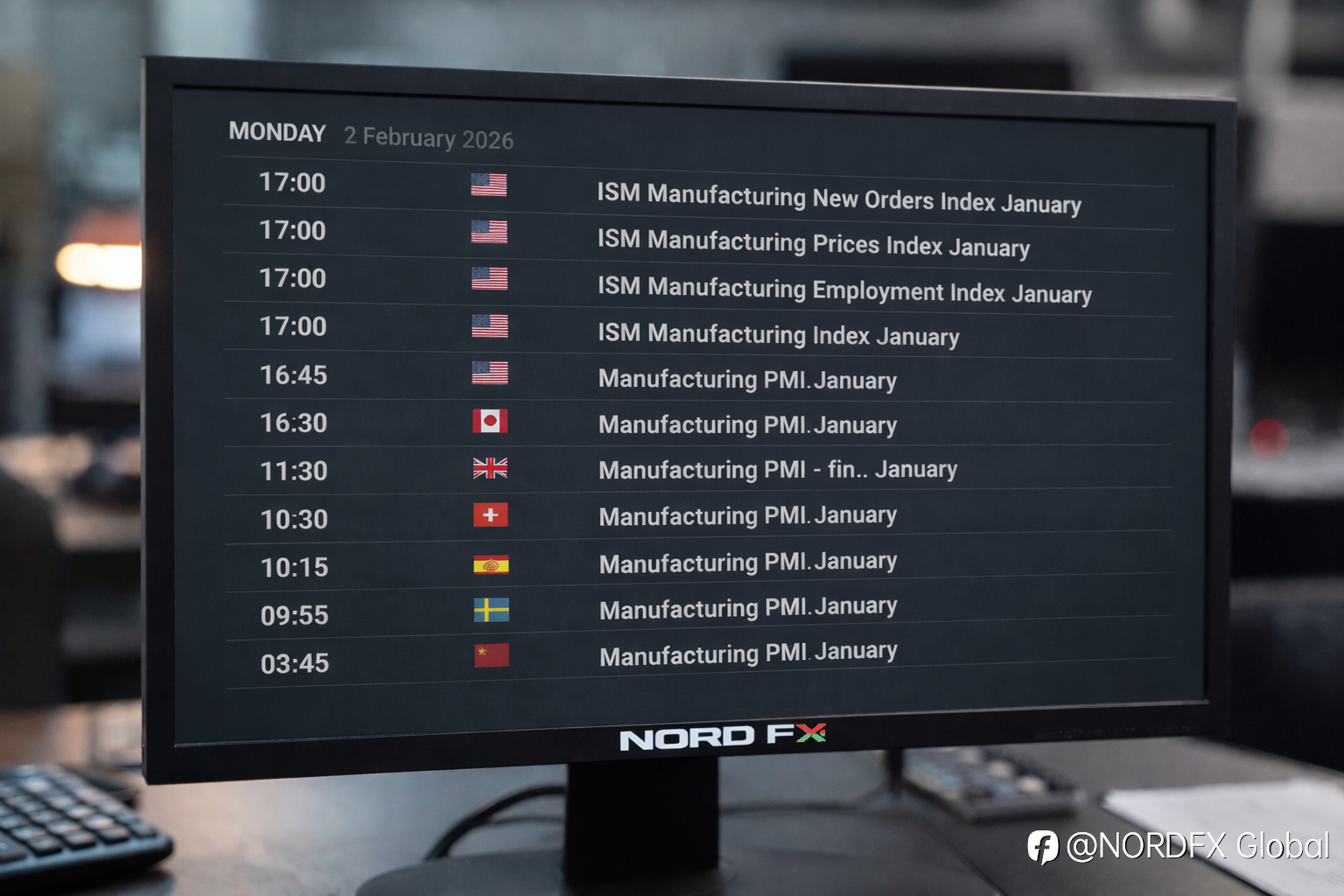
👉 Stay sharp, manage risk wisely, and keep an eye on today’s economic calendar with NordFX.
免責事項:本記事で述べられている見解は著者の見解のみであり、Followmeの公式見解を反映するものではありません。Followmeは、提供された情報の正確性、完全性、信頼性について一切責任を負いません。また、書面で明示的に記載されている場合を除き、本記事の内容に基づいて行われたいかなる行動についても責任を負いません。

古いコメントはありません。ソファをつかむ最初のものになりましょう。