


Global financial markets are entering another potentially volatile week as traders reassess the outlook for U.S. interest rates, the U.S. dollar, gold and crude oil.
The key theme remains the same: weaker U.S. employment data has reduced expectations for aggressive Federal Reserve tightening, while geopolitical risks continue to influence energy and safe-haven assets.
U.S. Dollar: Still Under Pressure
The U.S. dollar started the week close to a two-month low after July employment data surprised markets to the downside. The weaker labor-market picture has reduced expectations of a September Federal Reserve rate hike.
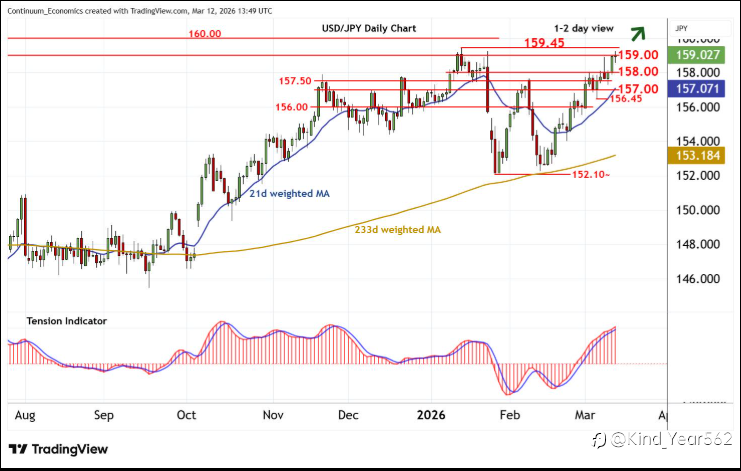
The Dollar Index was around 99.70, while the euro and British pound remained relatively firm. The Japanese yen, however, weakened sharply toward 158.89 per dollar, keeping intervention risk firmly on traders' radar.
The next major test for the dollar comes from U.S. inflation.
Key U.S. Events This Week
- Wednesday, August 12 – U.S. CPI
- Thursday, August 13 – U.S. PPI
- Friday, August 14 – U.S. Retail Sales
Markets are particularly focused on CPI because a softer inflation reading could reinforce expectations for lower U.S. rates, potentially putting additional pressure on the dollar. A hotter-than-expected reading could have the opposite effect by reviving expectations of tighter Fed policy.
🥇 Gold: Bulls Remain in Control
Gold continues to attract strong demand as the combination of dollar weakness, expectations around monetary policy and geopolitical uncertainty supports the precious-metal market.
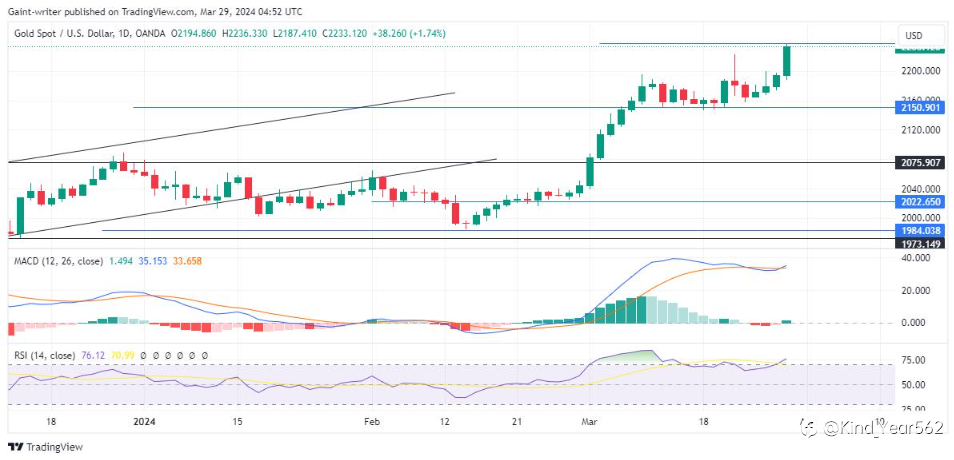
Recent market analysis shows gold consolidating after breaking above the $4,200 area, with dollar weakness and continued central-bank demand supporting the broader bullish structure.
For traders, the important question now is whether gold can sustain its breakout rather than simply extending the rally vertically.
A weaker CPI could provide another catalyst for gold because lower expected interest rates generally reduce the opportunity cost of holding a non-yielding asset such as gold.
However, traders should also be prepared for profit-taking if inflation comes in significantly hotter than expected.
Gold Market Bias
Short-term: Bullish to neutral
Main catalyst: U.S. CPI
Key factor: USD and Treasury yields
Risk: Sharp volatility around the inflation release
🛢️ Crude Oil: Geopolitics Remains the Main Driver
Oil markets remain highly sensitive to developments surrounding the Strait of Hormuz.
Brent crude was around $83.50 per barrel on Monday as markets assessed developments around potential shipping arrangements involving Iran and Oman. While the prospect of improved shipping conditions has helped stabilize prices, uncertainty remains because Iran has indicated that reopening the waterway depends on broader conditions being met.
This makes crude oil particularly vulnerable to headline-driven volatility.
A sustained improvement in shipping through Hormuz could ease the geopolitical premium in oil, while renewed disruption could quickly push prices higher and create another inflationary impulse for global economies.
💱 What This Means for Major Forex Pairs
EUR/USD
The pair remains supported by broad dollar softness. The upcoming U.S. CPI report could determine whether the current dollar-negative trend continues.
Focus: U.S. inflation and Treasury yields.
GBP/USD
Sterling remains relatively firm against the dollar, but further upside will depend heavily on whether the U.S. inflation data reinforces expectations of easier Fed policy.
USD/JPY
This remains one of the most sensitive currency pairs in the market.
With USD/JPY around the upper-158 area, traders need to remain alert to potential Japanese intervention and sudden volatility.
USD/INR
The Indian rupee remained relatively stable around ₹95.30 per dollar on August 10, with suspected dollar selling by state-run banks helping limit rupee weakness. The ₹96 area is being watched as an important resistance zone.
For Indian traders, the combination of crude oil prices and USD/INR remains particularly important because higher oil prices can increase India's import costs and put pressure on the rupee.
📊 The Bigger Market Picture
The current market can be summarized through three major relationships:
Weak U.S. jobs → Lower Fed-rate expectations → Dollar pressure
Dollar weakness + rate expectations → Supportive environment for Gold
Hormuz uncertainty → Volatility in Crude Oil → Inflation risk
This means traders should avoid looking at Forex and commodities in isolation. A single CPI number can simultaneously move the Dollar, Gold, Treasury yields, equities and crude oil.
🔥 What Traders Should Watch This Week
The biggest market event is clearly U.S. CPI on Wednesday.
If CPI is softer than expected:
- USD could weaken further
- Gold could receive another boost
- Rate-cut expectations could strengthen
- Risk assets may benefit
If CPI is hotter than expected:
- USD could rebound
- Gold may face profit-taking
- Treasury yields could rise
- Equity and commodity volatility could increase
Final Takeaway
The market is currently positioned around a major macroeconomic crossroads.
The dollar is recovering from a period of weakness but remains vulnerable to soft U.S. inflation data. Gold continues to display a strong underlying trend, while crude oil remains highly sensitive to developments around the Strait of Hormuz.
For traders, this is a week where fundamentals can quickly override technical setups.
The best approach may be to identify important support and resistance zones in advance and then wait for confirmation after major economic releases rather than chasing the first price move.
Stay disciplined, manage risk and remember: volatility creates opportunities, but only risk management keeps traders in the market.
免責事項:本記事で述べられている見解は著者の見解のみであり、Followmeの公式見解を反映するものではありません。Followmeは、提供された情報の正確性、完全性、信頼性について一切責任を負いません。また、書面で明示的に記載されている場合を除き、本記事の内容に基づいて行われたいかなる行動についても責任を負いません。

